
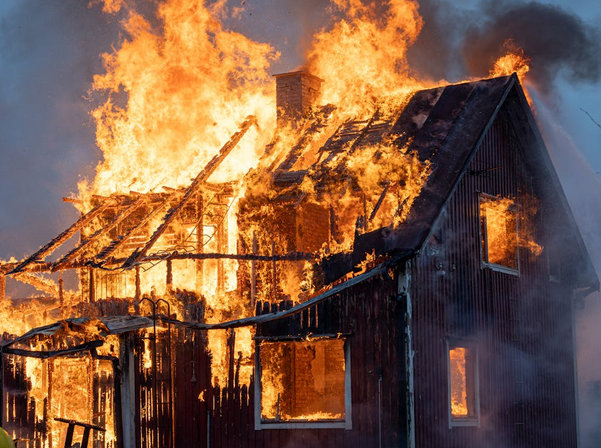
“Where there is smoke, there is fire”—but what happens when the fire has already passed and left your home damaged? Can you still get a fair deal, or are you forced into a rushed sale that undervalues your property? Many homeowners find themselves in this difficult position after a fire, unsure of the next best step and worried about financial loss. Selling a fire-damaged home is possible, but it requires clarity, planning, and smart decision-making. Emotional pressure often leads to quick choices that may not be beneficial in the long run. This guide breaks down practical steps to help you sell efficiently while still securing a fair price. Understanding your options and acting strategically can make a significant difference in the outcome.
Assess the Full Extent of the Damage
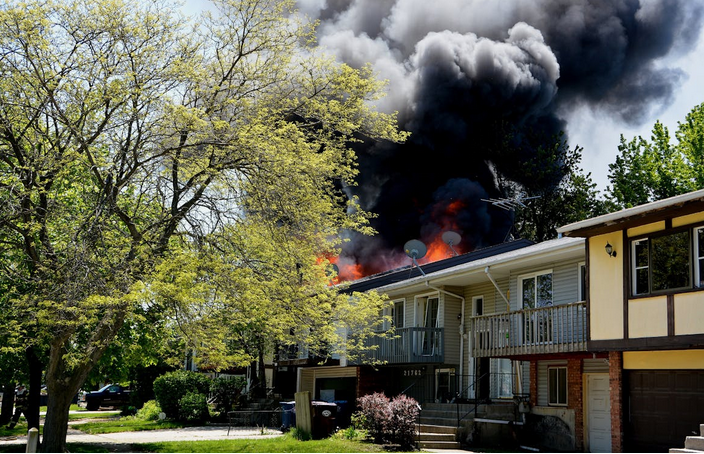
Before listing your property, it is important to understand the full scope of the fire damage. A professional inspection helps determine what can be repaired and what may require complete replacement. This evaluation gives you a realistic picture of your home’s condition and helps prevent underpricing or overpricing. Buyers will also want clear information, so having a detailed report builds trust and supports smoother negotiations. Without this step, it becomes difficult to set a fair selling price or attract serious interest.
Understand Your Selling Options
Fire-damaged homes can be sold in different ways depending on your goals and timeline. Some owners choose to repair the property before selling, while others prefer to sell it “as-is.” Selling as-is may attract investors or buyers looking for renovation projects, while repaired homes may appeal to traditional buyers. Each option has advantages and trade-offs. Choosing the right path depends on your budget, time pressure, and expected return. Exploring multiple options helps you avoid rushed decisions and gives you better control over the process.
Set a Realistic and Fair Price
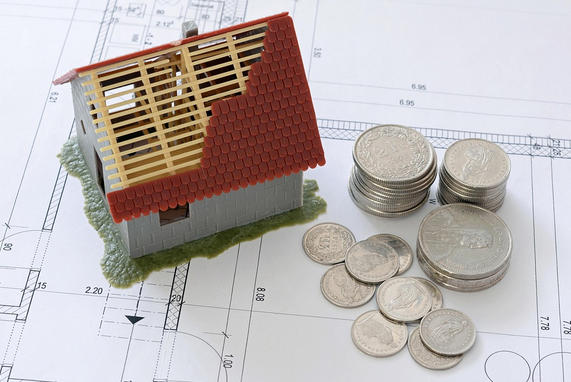
Pricing a fire-damaged home correctly is among the most essential steps in achieving a great sale. Overpricing can discourage your buyers, while underpricing can lead to unnecessary financial loss. A comparative market analysis can help determine a fair value based on location, condition, and repair costs. It is also helpful to consider what similar damaged properties in your area have sold for. A realistic price attracts serious buyers faster and reduces time on the market.
Work With Experienced Real Estate Professionals
Selling a damaged property is different from selling a standard home. Experienced real estate agents or property specialists can help you position the home correctly in the market. They understand how to market distressed properties and connect with investors who are open to renovation projects. Their experience also helps in handling negotiations and paperwork, which can be more complex in fire-damaged sales. Professional support can speed up the process while helping you achieve a fair outcome.
Be Transparent With Buyers

Honesty plays a major role in selling fire-damaged properties. Buyers need full disclosure about the extent of the damage, past repairs, and any remaining risks. Providing clear documentation, inspection reports, and repair estimates builds credibility. Transparency reduces the risk of disputes later and attracts buyers who are genuinely interested. Hidden information often delays sales or leads to price reductions, so openness is always the better approach.
Selling a fire-damaged home quickly and fairly is achievable with the right approach. Understanding the damage, exploring selling options, setting a realistic price, working with professionals, and maintaining transparency all contribute to a smoother process. By taking informed steps rather than rushing decisions, homeowners can improve their chances of securing a fair deal while moving forward confidently after a difficult situation.…